Capturing the NEXUS: A Global Photo Contest Connecting Art, Science and Society
News release / March 24, 2026
How can photography capture the connection between art, science, and society?
FESTAS 2026 invites photographers worldwide to explore this question through its newly launched International Photo Contest, organised in conjunction with our final event!
As part of the Festival of Art & Science (FESTAS 2026 – NEXUS), this global competition aims to bring together creative perspectives that reflect the dynamic relationship between scientific knowledge, artistic expression, and societal challenges.
The contest is open to participants from around the world, encouraging submissions that visually interpret the concept of “NEXUS”—the connections between disciplines, people, environments, and ideas.
Through this initiative, FESTAS seeks to:
- Foster dialogue between art and science
- Highlight the role of creativity in addressing complex global challenges
- Engage diverse audiences in scientific storytelling through visual media
Participants will have the opportunity to:
- Showcase their work in an international platform
- Contribute to a cross-disciplinary dialogue bridging science and the arts
- Be part of a festival that promotes innovation, inclusivity, and public engagement
Selected photographs will be featured within the framework of FESTAS 2026 – NEXUS, amplifying visibility and impact across an international audience.
Photographers are invited to submit their entries via the official contest page:
Discover the contest and submit your photo:
https://festas2026.github.io/nexus/photocontest.html
Join the International Photo Contest and share your perspective on the NEXUS between art and science!
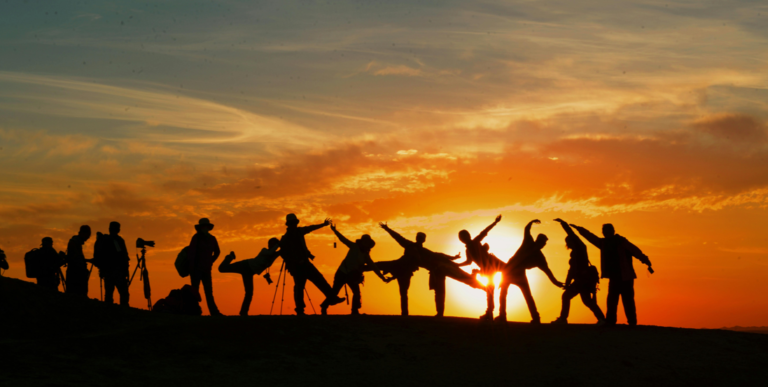
Cover photo credit: Saeid Anvar: https://www.pexels.com/photo/camera-taking-picture-of-city-827209/
Latest updates
All news Press releases / July 30, 2026
Strengthening disaster warnings and scaling up nature-based solutions in Europe: The Hut Policy Briefs
Drawing on research from Iceland, Italy, Switzerland, the UK, Spain, Germany and Lithuania, the briefs show how public engagement and co-creation can make early warning systems more trusted and inclusive, and set out concrete policy options from technical manuals to cross-sectoral coordination units for moving nature-based solutions from isolated pilots to systematic, large-scale practice.