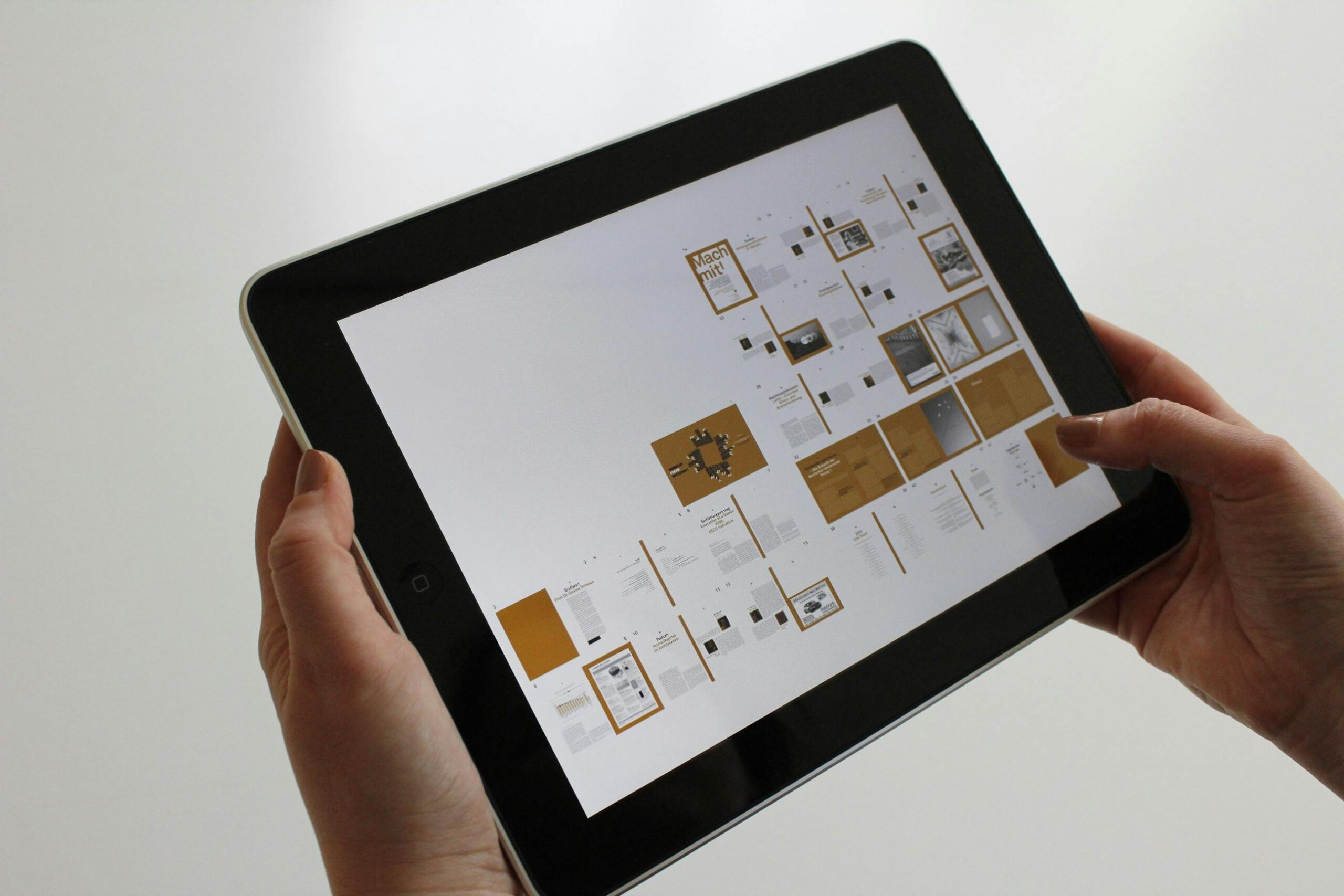
From Sensors to Safety: The HuT Explores IoT’s Role in Predicting Natural Hazards
Project Update / June 9, 2025
We have released our second factsheet, on how Internet of Things (IoT) technologies are transforming the way we monitor and respond to natural hazards. From landslides and floods to droughts and wildfires, real-time environmental data is becoming a critical tool for community safety and climate resilience.
As climate extremes become more frequent and intense, the need for reliable, timely, and accessible hazard monitoring is more urgent than ever. The latest factsheet—“Internet of Things for Natural Hazards and Warnings: Building a Safe Haven to Cope with Climate Extremes”—explores how IoT can provide low-cost, scalable, and autonomous monitoring solutions across Europe.
The factsheet highlights the transformative potential of IoT, a system where devices communicate and act using real-time data, effectively reducing the need for human intervention. In real-world applications, this technology is exemplified by innovative projects such as the slope stability early warning system in Eidsvoll, Norway, which combines weather forecasts, sensor data, and AI to predict landslides up to three days in advance, and the deployment of remote sensors in the Catalan Pyrenees, where they bridge critical data gaps in mountainous areas, allowing local authorities to manage flood risks and extreme weather conditions via a cloud-based dashboard. Traditional monitoring methods are often costly, manually intensive, and limited in scope, whereas IoT technologies provide cost-effective, expansive, and less maintenance-intensive alternatives.
Click here to read more and download our second factsheet, and stay tuned for more!
Photo credit: https://www.pexels.com/it-it/foto/persona-in-possesso-di-ipad-nero-221185/
Latest updates
All news Press releases / July 30, 2026
Strengthening disaster warnings and scaling up nature-based solutions in Europe: The Hut Policy Briefs
Drawing on research from Iceland, Italy, Switzerland, the UK, Spain, Germany and Lithuania, the briefs show how public engagement and co-creation can make early warning systems more trusted and inclusive, and set out concrete policy options from technical manuals to cross-sectoral coordination units for moving nature-based solutions from isolated pilots to systematic, large-scale practice.
 Project Update / April 14, 2026
New HuT Factsheet Out Now: Using Serious Games to Promote Risk Awareness
How can we make complex topics like geo-hydrological risk easier to understand, especially for younger audiences?
 News release / March 24, 2026
Capturing the NEXUS: A Global Photo Contest Connecting Art, Science and Society
How can photography capture the connection between art, science, and society?FESTAS 2026 invites photographers worldwide to explore this question through its newly launched International Photo Contest, organised in conjunction with our final event! As part of the Festival of Art & Science (FESTAS…