Schleswig-Holstein State


Germany
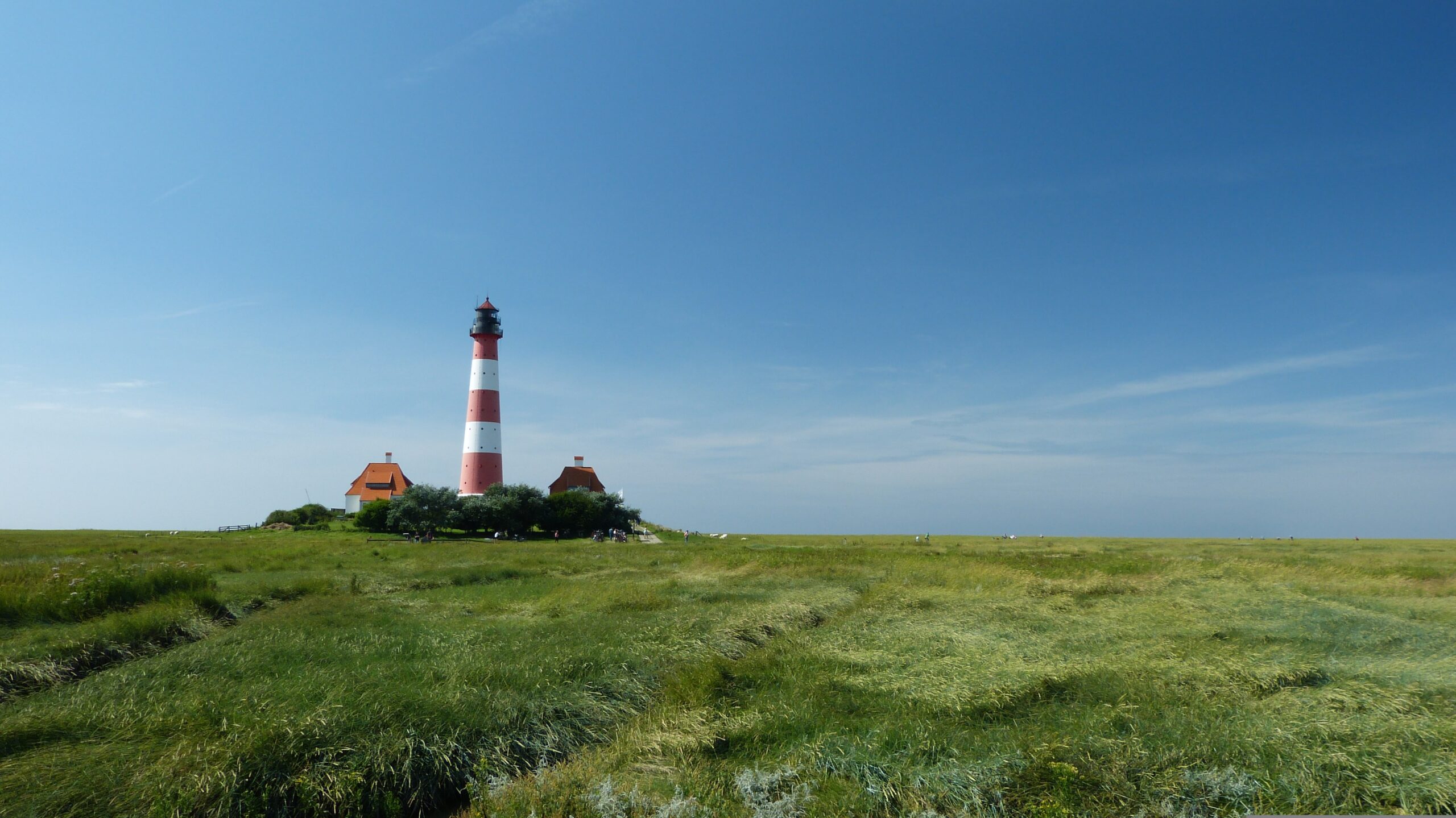
The North Sea coast of the Schleswig-Holstein State in Germany is a low-lying area, where the senior citizens and tourists live or visit the coastal harbour towns. The 466 km of North Sea coast has six harbour towns: Husum, Friedrichstadt, Tönning, Büsum, Brunsbüttel, and Glückstadt.
Investigated climate extremes
Sea level rise, future climate, extreme precipitation, and their cascading effects on flooding risks in the low-lying coastal areas. The coastal area is also more sensitive to extreme temperatures such as heatwaves and cold spells and cooling due to wet-bulb temperature. The higher evaporation and moisture levels increase the sensitivity of and risks to human health. The same issues are found in other coastal regions along the North Sea and the Baltic Sea coasts.


Main needs
- To increase user-oriented capacity building in responding to early warning and long-term resilience.
- To increase the awareness of decision-makers and communities about the expected variations of weather-induced risks.
- To engage through innovative ways different sectors of society that are hardly involved, through innovative ways.
Shaping a Stronger, Brighter Future Together
Building resilience along the Elbe River
Nestled on the banks of the Elbe River in northern Germany, the small coastal city of Glückstadt is learning to live with — and adapt to — the growing challenges of climate change. Rising tides, heavier rains, storm surges, and even heatwaves are reshaping life in this historic city, where water has always been both a lifeline and a threat.
Within The Human-Tech Nexus: Building a Safe Haven to Cope with Climate Extremes (The HuT), scientists from Climate Service Center Germany (GERICS) work closely with the municipality and citizens to strengthen preparedness, early warning, and long-term adaptation. Glückstadt serves as a pilot city for the project’s mission to bridge science, governance, and community engagement.
The city’s story is told through multiple voices: the mayor, who calls for better communication and citizen preparedness; engineers, who manage dikes, drainage systems, and digital monitoring tools; and residents, from homeowners facing flood risks to elderly citizens worried about access to early warnings. Their perspectives highlight both progress and the urgent need for stronger coordination and awareness.
In collaboration with the local art association and as part of the exhibition SAFE HAVEN, The HuT intends to initiate the development of a Climate Council in Glückstadt.that will bring together public authorities, companies, cultural institutions, and citizens — ensuring that climate action becomes a shared responsibility. Events like the KulturMärz 2024: A Safe Haven? Glückstadt facing climate change, co-organised with Soroptimist International Glückstadt, show how open dialogue can inspire practical solutions.
Through collaboration, creativity, and local leadership, Glückstadt is proving that even small cities can lead by example — turning vulnerability into resilience, and challenges into opportunities for a safer, brighter future.
Read the full narrative at this link





Latest updates about Schleswig-Holstein State
All news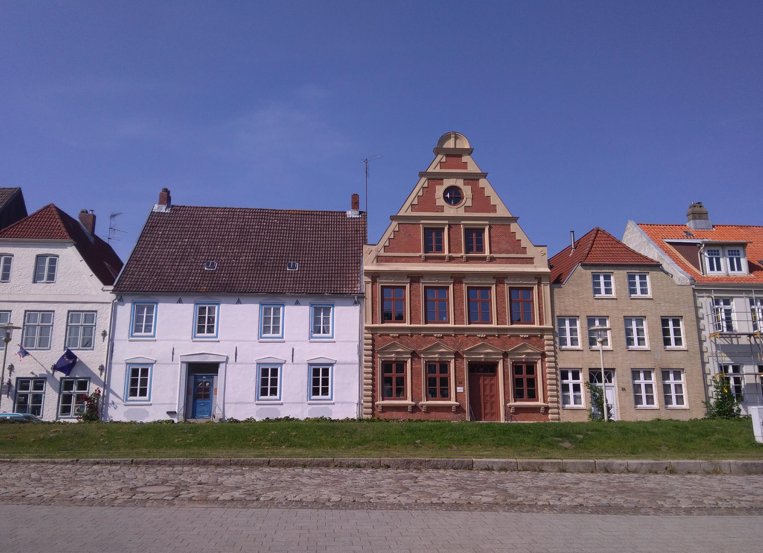 Project Update / April 10, 2024
DEM 5 – Citizen engagement in Glückstadt
A success case study of citizen engagement from Glückstadt, Germany
 Articles / February 27, 2024
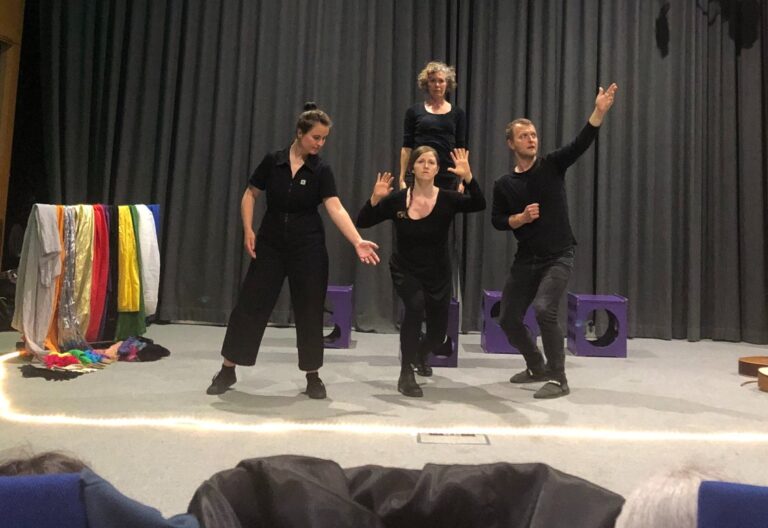
When theatre tackles the effects of climate extremes: the “science-art” approach to disaster risk reduction
Natural hazards claimed almost 60,000 lives in the first half of 2023 alone, and global warming is expected to trigger more extreme events in the coming years. “Breaking the silos” by combining theatre and science is one of the strategies being tested to prevent increasing losses and optimize disaster risk reduction.