Dorset


United Kingdom
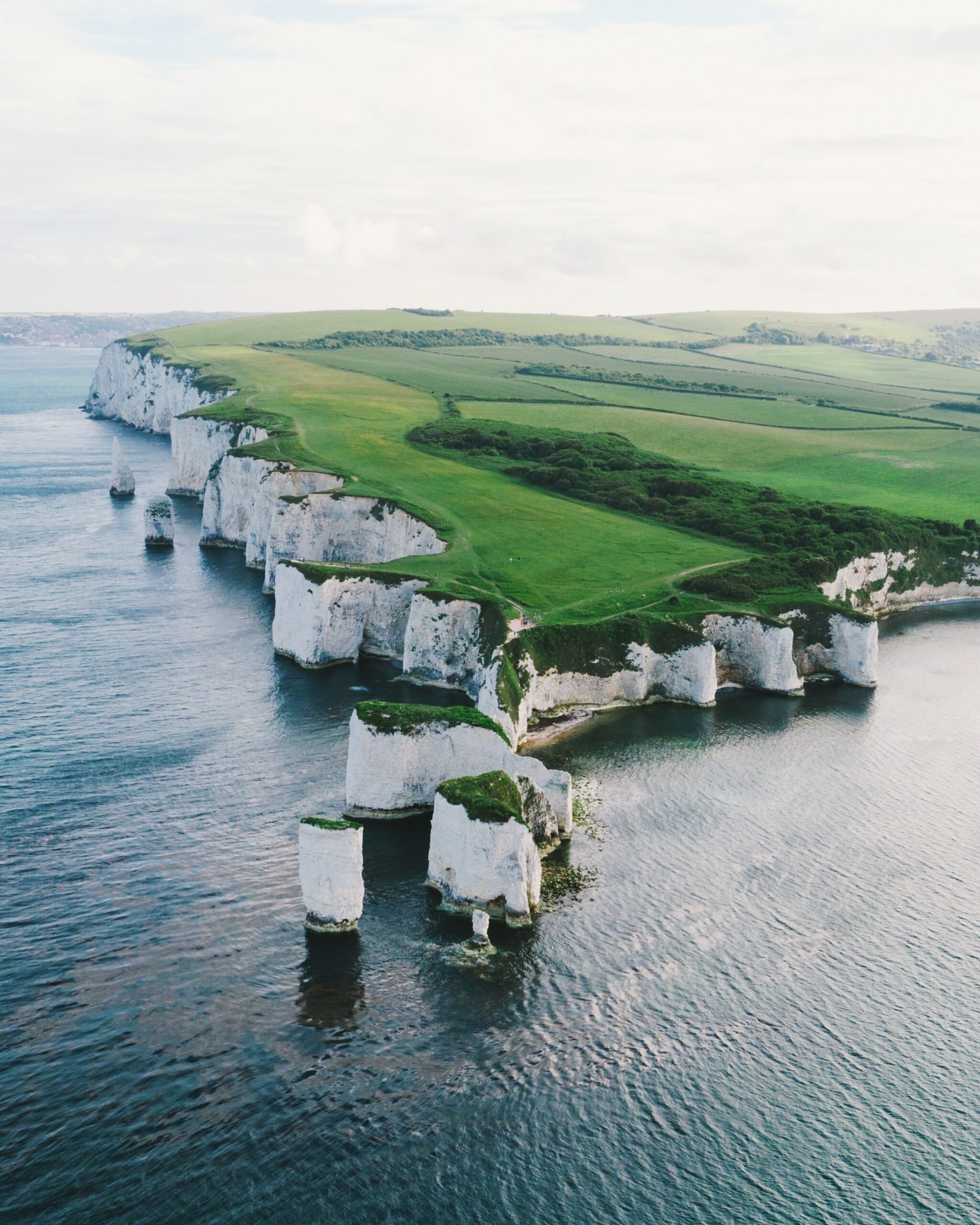
Dorset is a county in Southwest England on the English Channel coast. Its Jurassic coast is included as a UNESCO World Heritage site. It represents a key tourist destination with a high economic value (2019: £1.8bn >30m visitors, 41k jobs), with multiple areas exhibiting vulnerability to climate-related hazards throughout the year. The resident population is about 770,000.
Investigated climate extremes
The area is affected by multiple precipitation-induced hazards (intense rainfall, coastal/fluvial/pluvial flooding, landslide, storms and storm surges, coastal flooding) which cause significant impacts to communities. These hazards can occur as singular events or as compound/cascading events. Similar multi-risk conditions occur in many other locations in the coastal cities of Northern Europe.



Main needs
- To leverage new and novel methods in monitoring, nowcasting and weather forecasting to support improved hazard and impact assessment across the short-term and into the climate timeframe.
- To identify ways to improve the understanding of the skill of hazard and impact forecasts under different synoptic conditions.
- To increase people’s knowledge about the potential impact of climate change on precipitation induced hazards.
- To improve product visualisation, information content and dissemination for hazard and impact models.
Exploring the Use of Weather, Climate, and Natural Hazard Information in Decision-Making
On England’s southern coast, Dorset is known for its dramatic cliffs, fossils, and the Jurassic Coast – a UNESCO World Heritage Site that tells millions of years of Earth’s history. But in the face of a changing climate, this beautiful landscape also faces growing threats from storms, landslides, heatwaves, and coastal erosion.
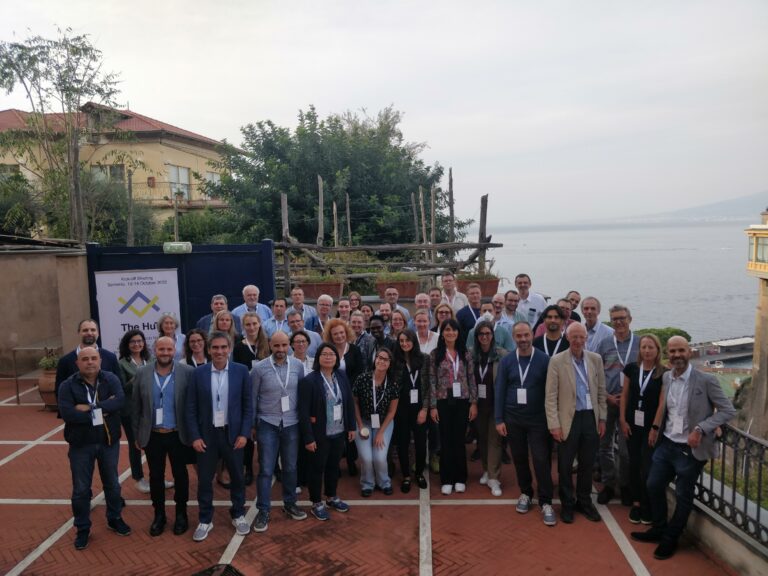
Within The Human-Tech Nexus: Building a Safe Haven to Cope with Climate Extremes (The HuT), the Met Office and British Geological Survey (BGS) are joining forces to explore how weather, climate, and hazard information can be better used in decision-making. Their collaboration focuses on improving early warnings, data sharing, and communication across agencies and communities, ensuring vital information reaches those who need it most.
Through engagement with Local Resilience Forums, Dorset Council, the Jurassic Coast Trust, and local communities, the demonstrator examines how different stakeholders—from decision-makers and landowners to emergency responders and tourists—access and act on climate and hazard information. Workshops and field collaborations are revealing the challenges of fragmented data, inconsistent messaging, and the difficulty of engaging non-local populations such as seasonal visitors.
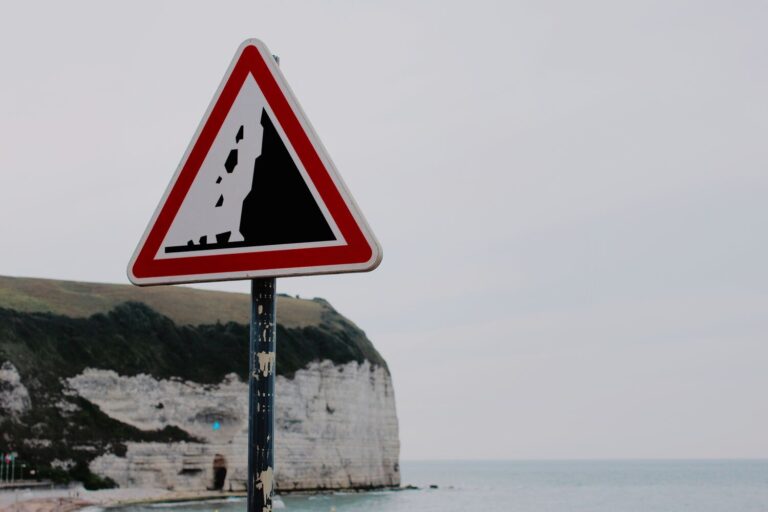
Initiatives include a new weather station at West Bay, local communication campaigns on cliff safety, and trials of innovative monitoring tools to improve understanding of local landslide dynamics.
By strengthening stakeholder networks and promoting consistent, clear communication, The HuT is helping Dorset build a culture of preparedness. Here, resilience is not only about prediction—it’s about shared understanding, cooperation, and learning from both science and experience.
Read the full narrative at this link