Berne Canton


Switzerland
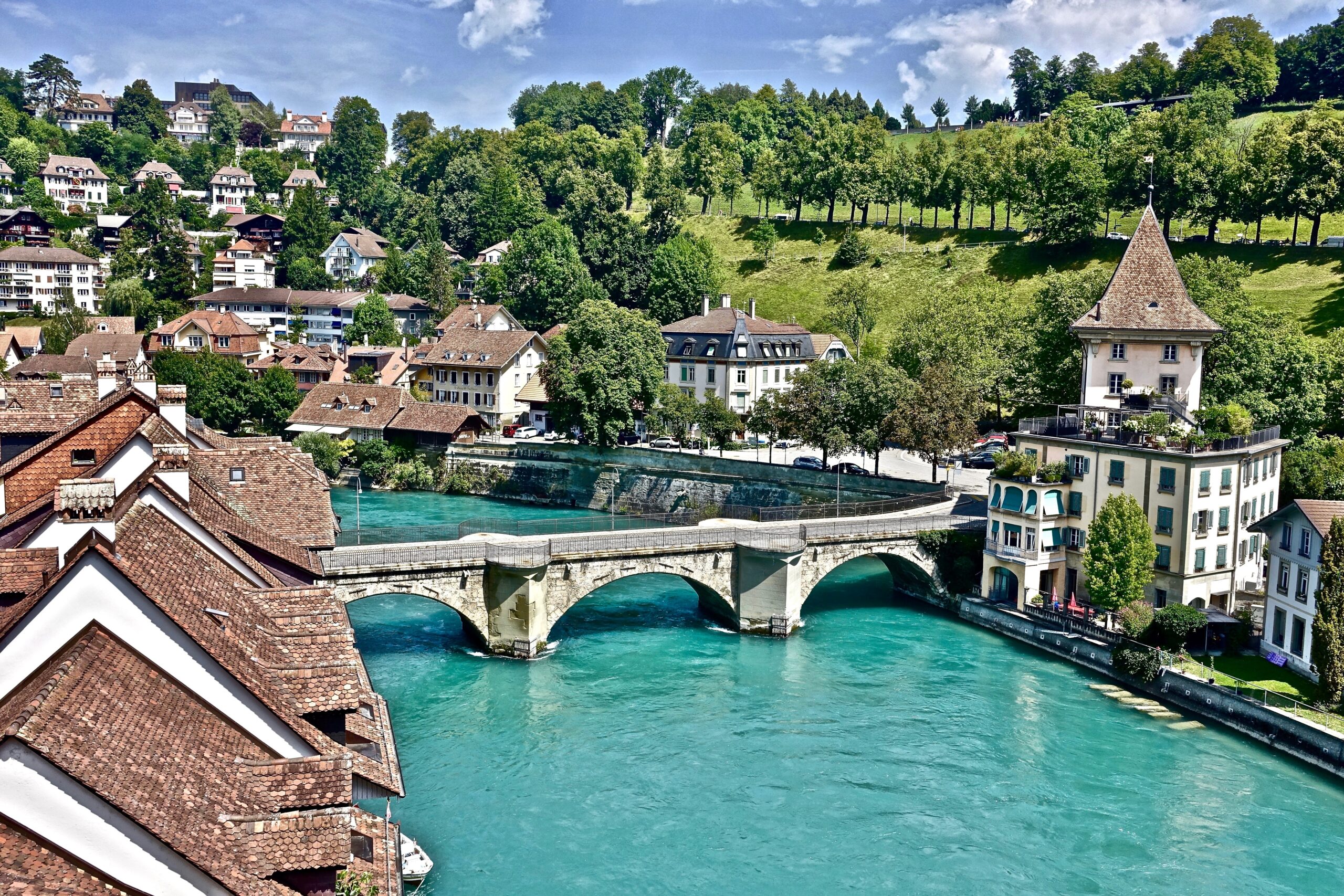
The capital of Switzerland and a UNESCO World Heritage site is situated downstream of the head-watershed of the Aare River (about 1 million inhabitants). The location of Berne, a medium sized city, immediately downstream of an Alpine catchment can be upscaled to many comparable cities in a similar topographic and physiographic areas (e.g., Grenoble, France; Innsbruck, Austria).
Investigated climate extremes
Triggering meteorological forcing are rain-on-snow events, local convective rainfalls and upper air cold cut-off lows ultimately causing serious flooding in the area. Furthermore, compound, and cascading effects make situations worse: wood mobilisation in the upstream rivers often increases the flooding. Sediment from landslides and riverbank erosion and related floating wood can clogg up bridges weirs etc.



Main needs
- To provide reliable guidance to the relevant bodies and citizens from the pre-alert level to the intervention.
- To improve people’s knowledge about compound and cascading events
Bernese Oberland: Protection Forests at Work
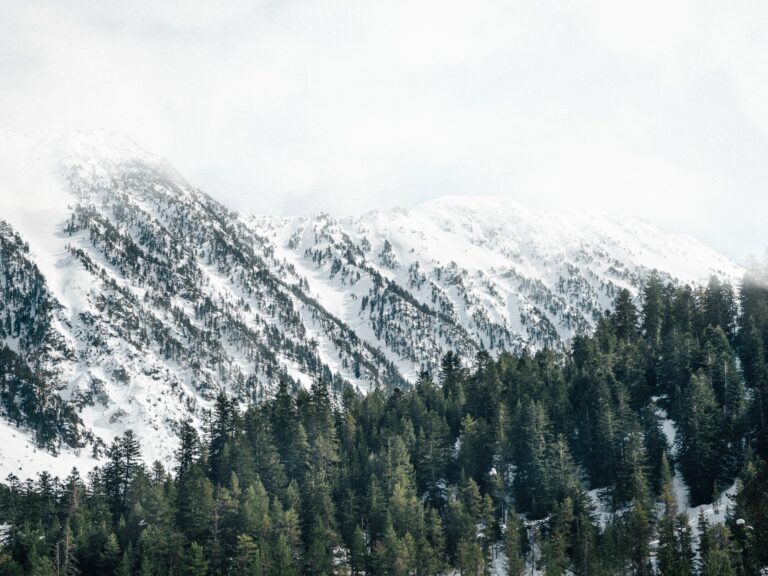
In Switzerland’s Bernese Oberland, roads, railways, and villages sit at the foot of steep slopes where floods, landslides, debris flows, rockfall, and avalanches can quickly disrupt daily life—especially with seasonal tourism. History shows why protection forests matter: after catastrophic Alpine floods and landslides in 1868, Switzerland recognised forests as living infrastructure—root systems stabilise slopes, canopies intercept rock and snow, and soils store water—enabling safer settlement and development.
Today, climate change is testing that protective shield. Hotter, drier summers, bark-beetle outbreaks, overgrazing by ungulates, invasive species, and melting permafrost weaken forest structure just as extreme rain and storm events intensify. Cascading effects amplify risk: mobilised wood and sediments can clog bridges and weirs, as seen in the 2012 Zulg event, where local downpours triggered debris-laden floods downstream.
emonstratorD focuses on keeping forests functional as frontline nature-based solutions (NbS) while clarifying when and how to combine them with grey measures. Swiss and cantonal frameworks such as ProtectPraxis (harmonising how biological and grey measures are assessed) and NaiS (guidelines for sustainable protection-forest management) guide decisions on species diversification, age structure, spacing, and access for maintenance, ensuring forests continue to deliver multi-hazard protection along with co-benefits like carbon storage, cooling, and biodiversity.
The Climate Story engages local residents, forest managers, scientists, and visitors to build awareness of how living forests protect people and infrastructure—and why monitoring, adaptive management, and shared responsibility are essential to keep that protection reliable in a warming climate.