Tisza River Basin

Hungary
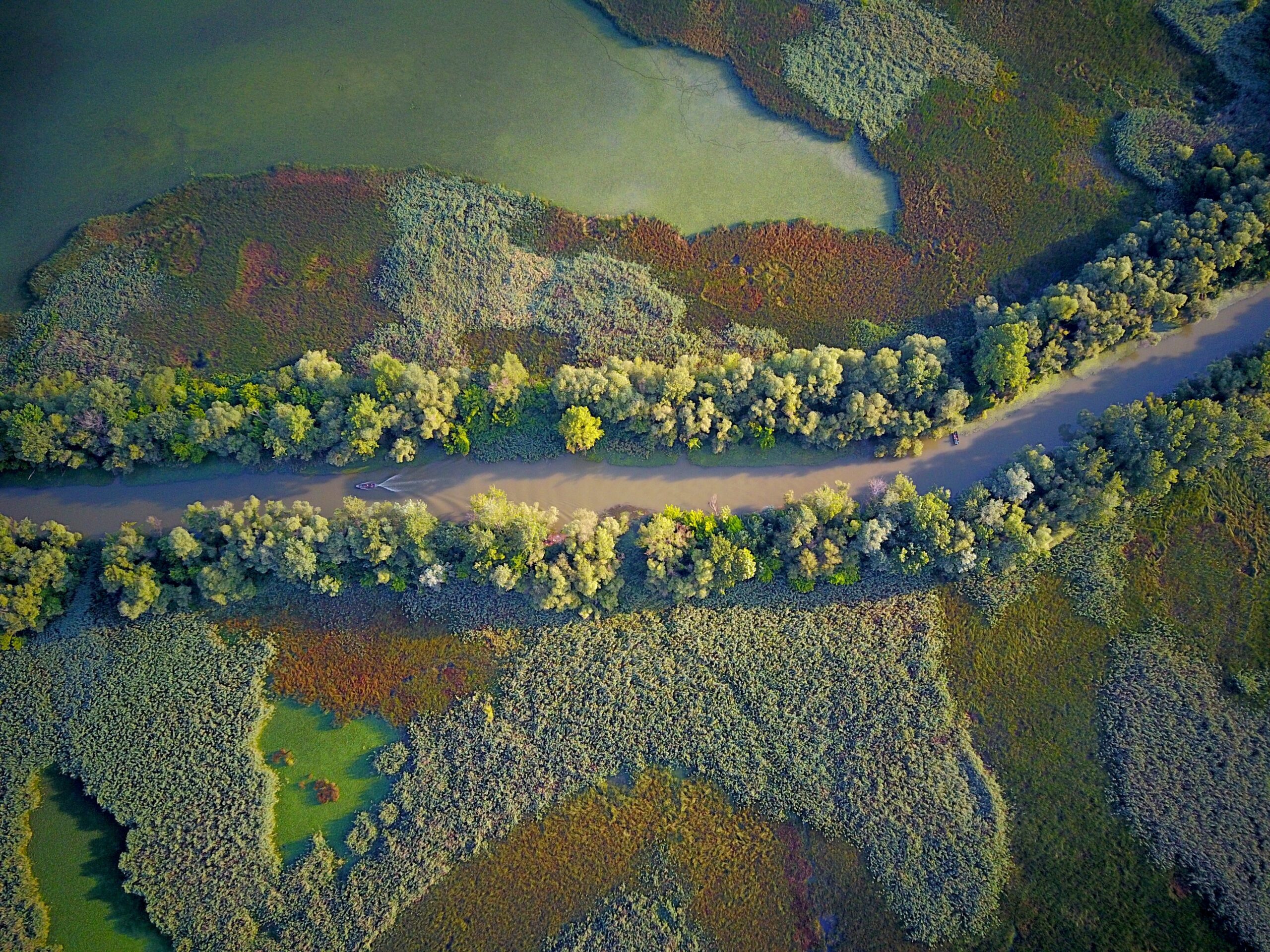
Almost all the area is included in the Great Plain, including most of Jász-Nagykun-Szolnok County, the southern part of the Pest and Heves Counties and the north-eastern corner of Bács- Kiskun County. As the area is low-lying, it has twice the national average of water management facilities (canals, embankments, sluices): 645.1 km of earth dykes; 105 pumping stations; 543 km of irrigation canals.
Investigated climate extremes
Almost 56% of the area is threatened by floods, but the frequency of events related to inland excess water, and droughts and water scarcity is also significant. There have been four notable floods in the last two decades, which have exceeded the standard flood levels (1999, 2000, 2006, 2010). Pluvial flooding by heavy rain represents a significant threat for many municipalities in the area.

Main needs
- To homogenise the assessment approaches for pluvial flood risk at the municipal level.
- To support decision-makers with tools agreed, scientifically robust and ready to use (e.g. VÍZ24 application).
- To have a clearer understanding about the economic viability of DRR solutions to be implemented.
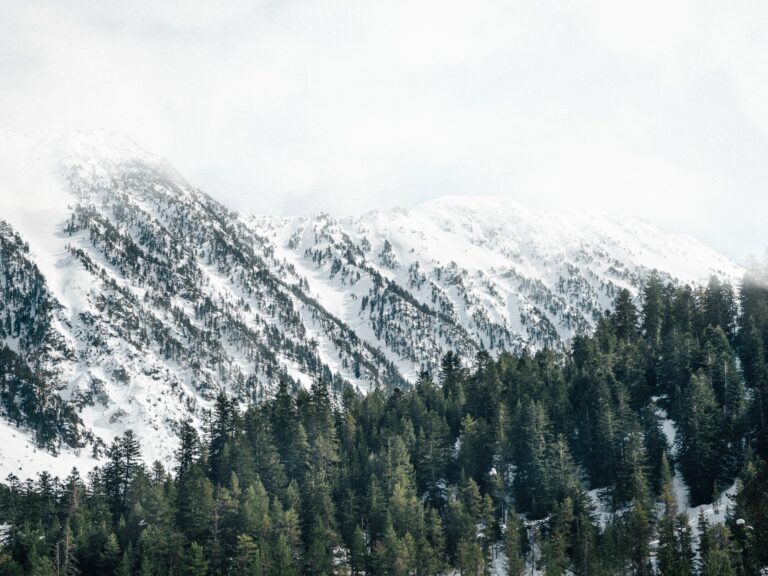
Krkonoše Mountains: Nature, Knowledge, and Balance at the Summit
High in the Krkonoše Mountains, where the Czech Republic meets Poland, climate change is reshaping one of Central Europe’s most iconic mountain landscapes. Rising temperatures, shifting precipitation patterns, and thawing permafrost are intensifying the risk of floods, landslides, and biodiversity loss, threatening both natural heritage and human livelihoods.
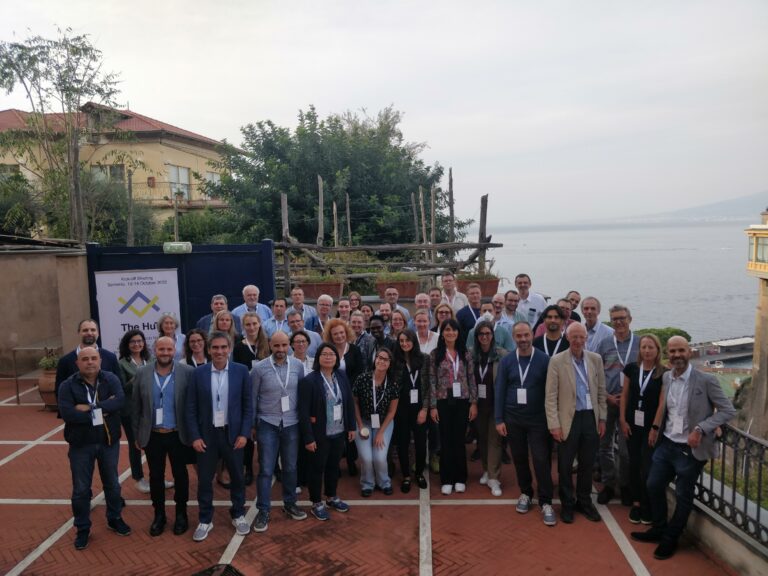
Within The Human-Tech Nexus: Building a Safe Haven to Cope with Climate Extremes (The HuT), the Krkonoše National Park (KRNAP) Demonstrator is fostering a new model of collaboration between scientists, local authorities, and citizens. The project combines high-resolution climate and hydrological monitoring with educational outreach, aiming to build a shared understanding of mountain risks and adaptation measures.
Through fieldwork, environmental education, and participatory mapping, stakeholders explore how changing weather extremes affect forests, slopes, and settlements. Mountain rangers, researchers, and residents share observations that complement real-time data collected by sensors and weather stations — demonstrating how local knowledge enriches scientific insight.
The Climate Story highlights ongoing efforts to promote nature-based solutions (NbS) such as reforestation, soil protection, and wetland restoration, which help reduce erosion and regulate water flow. At the same time, communication and awareness campaigns encourage visitors and residents alike to see the mountains not only as a destination but as a living system that requires care and adaptation.
In the Krkonoše Mountains, The HuT shows that resilience is not only about defending against hazards — it’s about learning to live in balance with a changing environment, guided by both data and experience.
Read the full narrative at this link