Val d’Aran Region


Spain
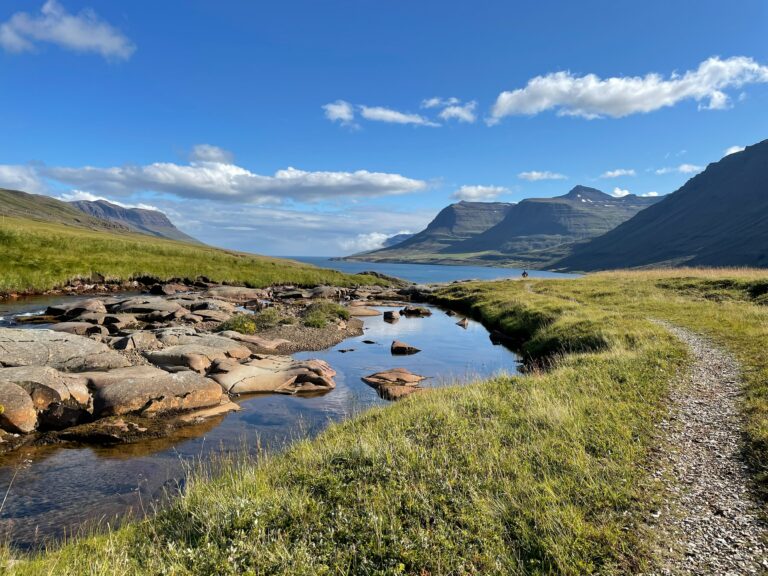
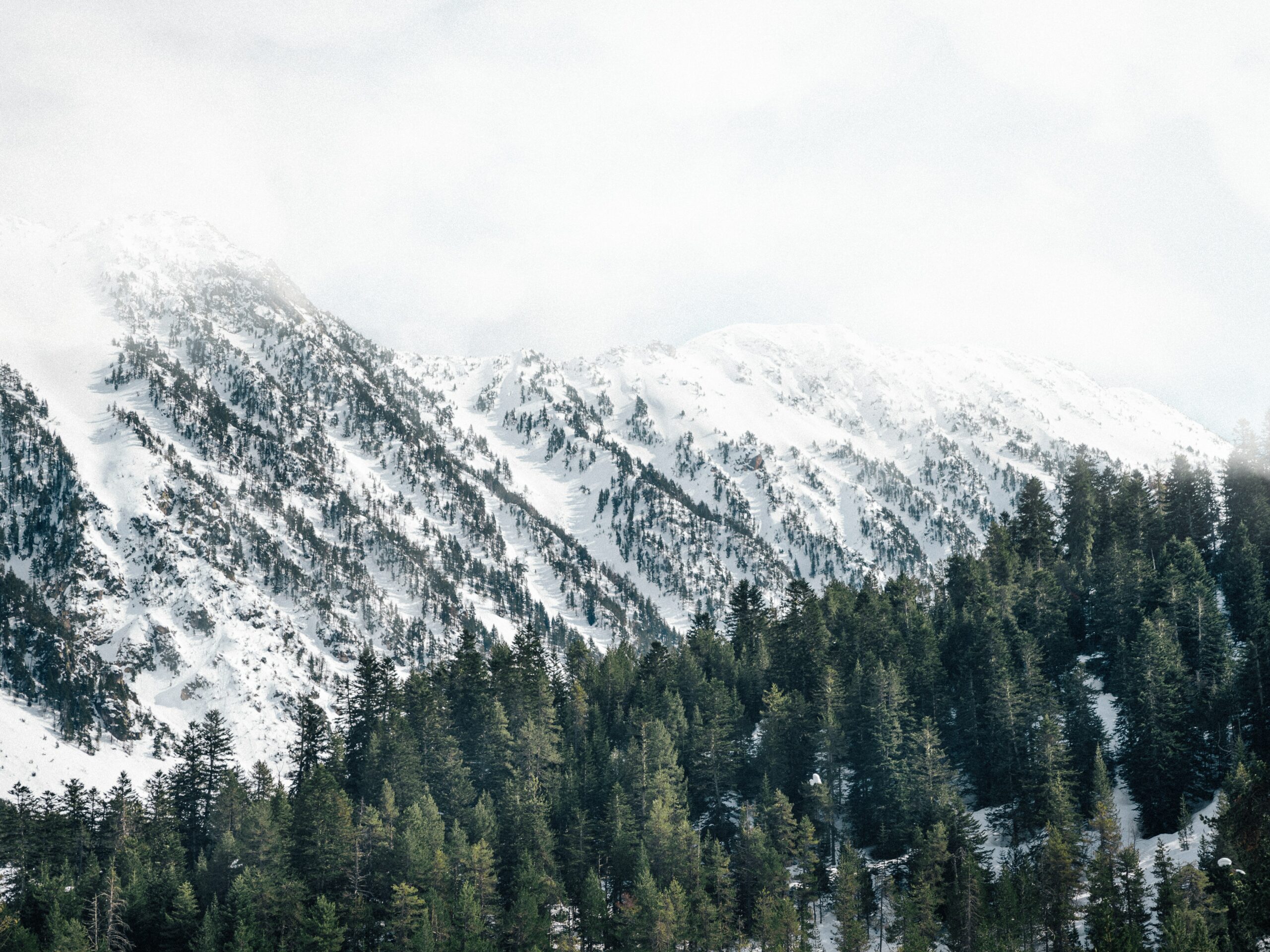
The Val d’Aran is the only district (“comarca”) in Catalonia located on the northern side of the Pyrenees (population about 9,000). The area is well-known winter holiday destination characterized by typical high-mountain morphology with peaks above 2000 meters above sea level. This high mountain territory is the only valley in the Catalan Pyrenees with an Atlantic climate.
Investigated climate extremes
The selected area is affected by different precipitation-induced hazards, often exacerbated by predisposing factors (e.g., forest fires or dry soil conditions): torrential floods in headwater catchments and floods in mountainous areas; shallow landslides and river network interactions; increase in large landslides and associated cascading effects. Similar dynamics affect many other territories within the Pyrenean region.




Main needs
- To improve the integration between monitoring and modelling for the development of predictive tools for early warning systems.
- To make information available to decision makers and stakeholders by a web-based tool.
- To increase the awareness within the communities about extreme climate events.
Learning from the Past to Protect the Future
In June 2013, the Vall d’Aran valley in northern Spain faced one of the worst floods in its history. Overflowing rivers cut off villages, destroyed bridges and roads, and left deep emotional marks on the community. More than a decade later, the memory of “those days” remains vivid — a reminder of how vulnerable mountain regions are to the growing intensity of extreme weather.
Within The Human-Tech Nexus: Building a Safe Haven to Cope with Climate Extremes (The HuT), the Vall d’Aran Demonstrator turns that memory into a lesson for the next generation. By combining education, science, and local collaboration, the project empowers secondary school students from Institut d’Aran to become active climate observers.
Through guided visits, workshops, and research activities with partners such as Arantec and the Polytechnic University of Catalonia (UPC), students explore early-warning systems, sensors, and risk-management tools used to protect their valley. The 2013 flood becomes a real-world case study through which they connect climate data with human experience.
Their final high-school research project (Treball de Recerca – TDR) now forms part of The HuT initiative, encouraging students to create solutions with local impact — from mapping flood-prone zones and developing awareness campaigns to designing citizen-science tools and interviewing emergency responders.
By learning from the past, these young researchers are transforming knowledge into action. Their work strengthens community preparedness and shows how education can drive long-term climate resilience in one of Europe’s most fragile mountain territories.
Read the full narrative at this link